Featured Article
 Water Testing
CIWQE Contributors·May 13, 2026
Demystifying Water Testing: What You Need to Know
Understand the importance of water testing, common contaminants, and how to interpret your results to ensure safe drinking water.
Latest Articles
 Sustainability
Dr. Anya Sharma, Environmental Scientist·May 13, 2026
Sustainable Water Management: Practices for a Resilient Future
Explore innovative approaches and everyday practices that contribute to healthier water ecosystems and a sustainable water future for all Canadians.
 Research
CIWQE Research Team·May 13, 2026
Frontiers in Water Quality Research: Emerging Trends and Discoveries
A look at the latest advancements and groundbreaking studies shaping our understanding of water quality, from novel pollutants to innovative treatment technologies.
 Filtration
CIWQE Consumer Advisory·May 10, 2026
Choosing the Right Water Filter for Your Home: A Buyer's Guide
With hundreds of water filter products on the market, choosing the right one can be overwhelming. This guide breaks down the types, what each removes, and how to match a filter to your specific water quality needs.
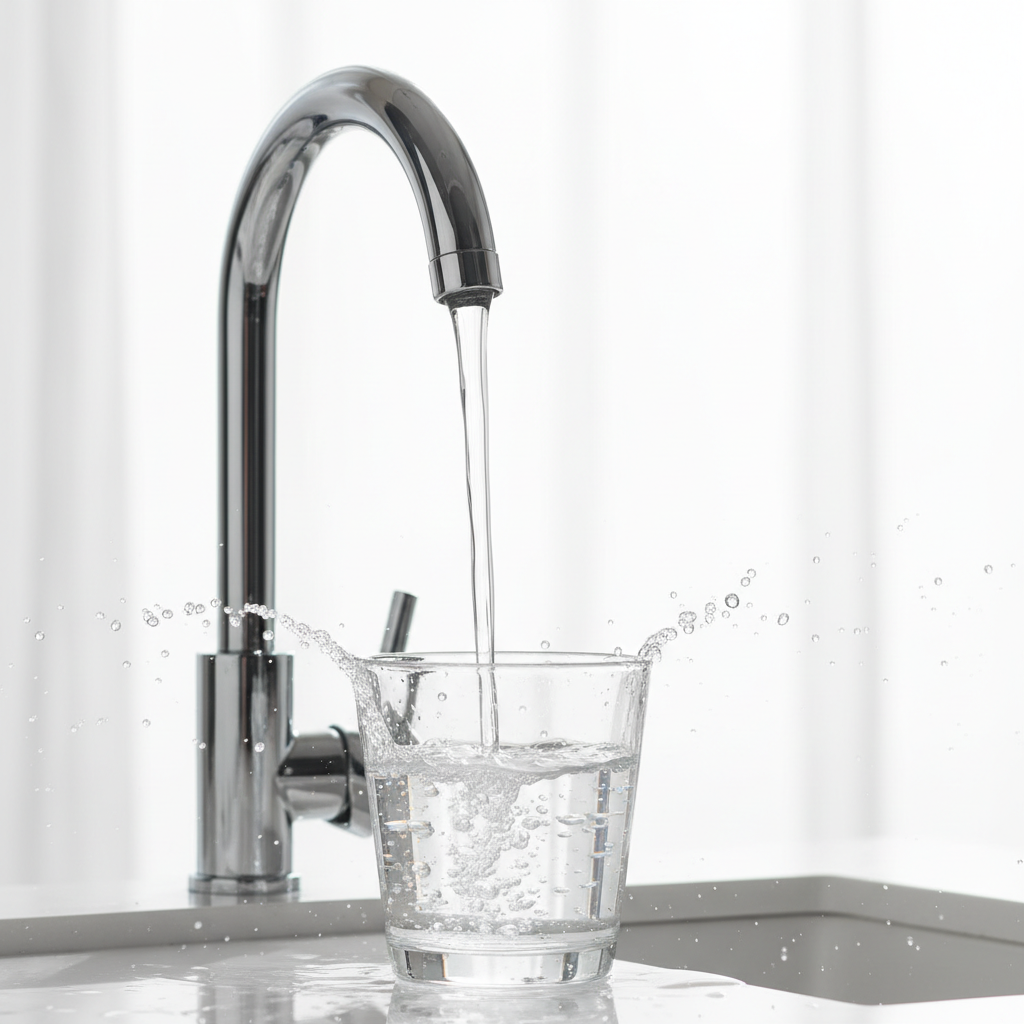 Drinking Water
CIWQE Consumer Advisory·May 8, 2026
Water Fluoridation: Understanding the Science, Benefits, and Public Debate
Explore the history, science, and ongoing discussion around water fluoridation in Canada. Learn how fluoride works, why it's supported by health organizations, and why the debate continues.
 Municipal Water
CIWQE Education Team·May 5, 2026
How Your City Treats Drinking Water: From Source to Tap
Ever wondered what happens to water before it reaches your glass? Walk through the multi-step treatment process Canadian municipalities use to deliver safe, clean drinking water.
 Drinking Water
CIWQE Science Division·May 1, 2026
Fluoride in Drinking Water: Separating Science from Controversy
Water fluoridation has been a public health practice in Canada since 1945. We present the scientific consensus on dental benefits, the debate about risks, and what communities are deciding.
 Municipal Water
CIWQE Policy Team·Apr 28, 2026
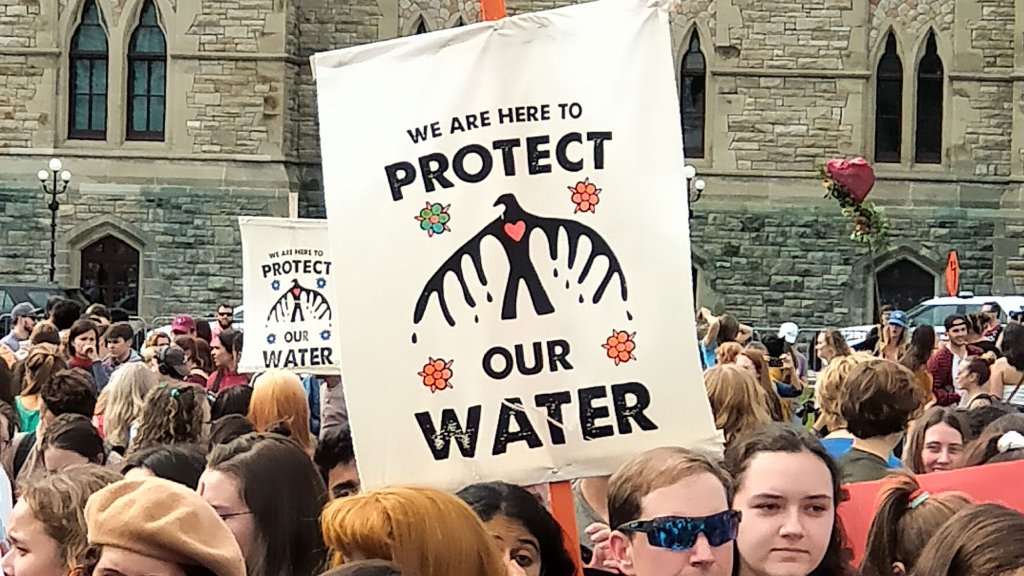
Canada's Indigenous Communities and the Drinking Water Crisis
For decades, many First Nations reserves in Canada have lived under long-term drinking water advisories. We examine the causes, the federal response, and the path forward.
 Sustainability
CIWQE Education Team·Apr 22, 2026
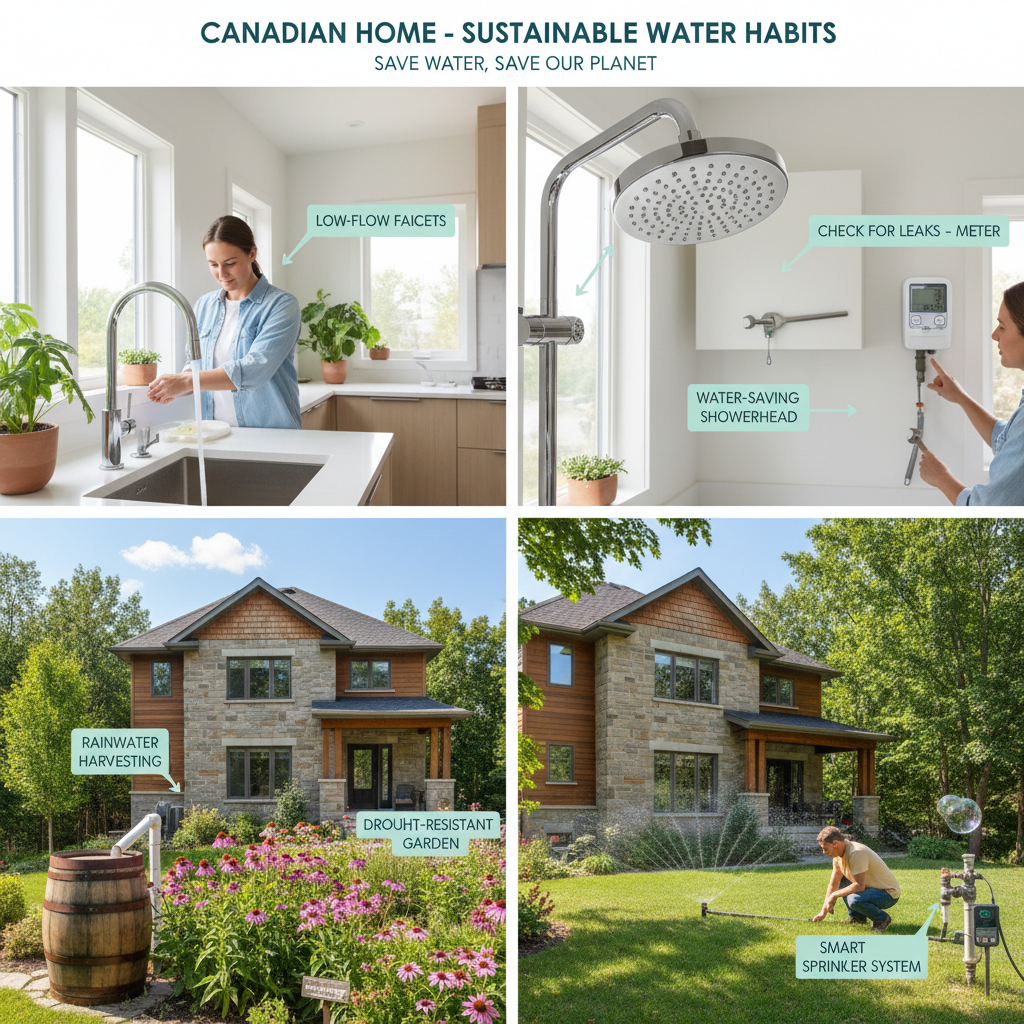
Water Conservation at Home: Practical Tips for Canadian Households
The average Canadian uses 329 litres of water per day — one of the highest rates in the world. Simple changes at home can make a significant difference for your water bill and the environment.
 Health
CIWQE Health Team·Apr 20, 2026
Water Quality and Pregnancy: What Expectant Mothers Need to Know
During pregnancy, water quality takes on added importance. Certain contaminants carry specific risks for developing fetuses. Here's what to watch for and how to stay safe.
 PFAS
CIWQE Research Team·Apr 15, 2026
Understanding PFAS in Canadian Drinking Water
Per- and polyfluoroalkyl substances (PFAS) are emerging contaminants found in water supplies across Canada. Learn what they are, where they come from, and what Health Canada recommends.
 Filtration
CIWQE Consumer Advisory·Apr 10, 2026
UV Water Purification: How Ultraviolet Light Kills Waterborne Pathogens
UV purification is chemical-free and highly effective against bacteria, viruses, and protozoa. Learn how it works, when to use it, and how to properly install and maintain a UV system.
 Research
CIWQE Research Team·Apr 2, 2026
Microplastics in Canadian Drinking Water: What We Know So Far
Microplastics have been detected in tap water, bottled water, and even Arctic ice. We break down the current science, what it means for your health, and what researchers are doing about it.
 Filtration
CIWQE Consumer Advisory·Mar 28, 2026
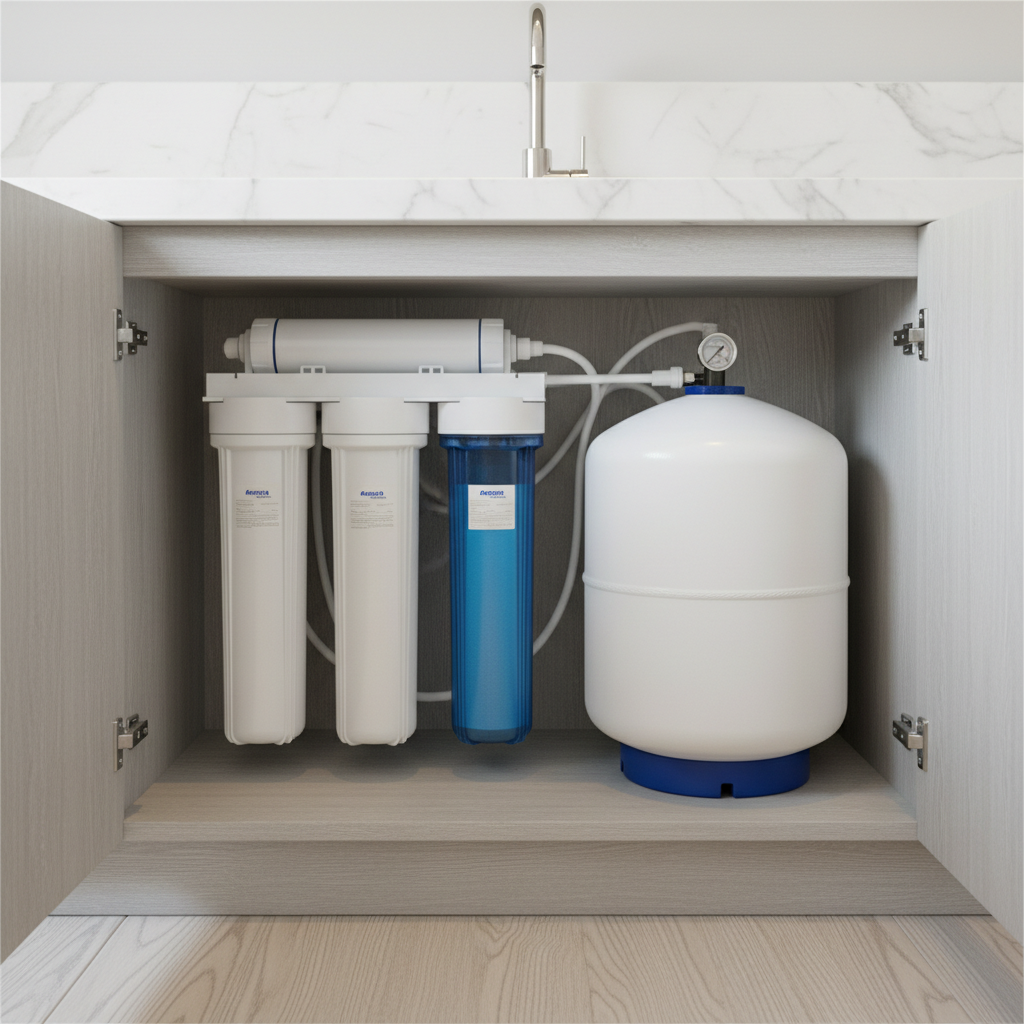
Reverse Osmosis Systems: How They Work and Are They Worth It?
Reverse osmosis is one of the most effective home water treatment technologies available. Learn how it works, what it removes, its limitations, and whether it's the right choice for your home.
 Drinking Water
CIWQE Education Team·Mar 22, 2026
Hard Water Across Canada: Province-by-Province Guide
Hard water affects millions of Canadian homes, but the severity varies dramatically by region. This guide breaks down what to expect by province and what you can do about it.
 Water Testing
CIWQE Science Division·Mar 20, 2026
What Is Turbidity and Why Does It Matter for Drinking Water?
Turbidity is more than an aesthetic concern — cloudy water can shield pathogens from disinfection. Learn what turbidity measures, acceptable levels, and what high turbidity might mean for your water.
 Well Water
CIWQE Rural Water Program·Mar 15, 2026
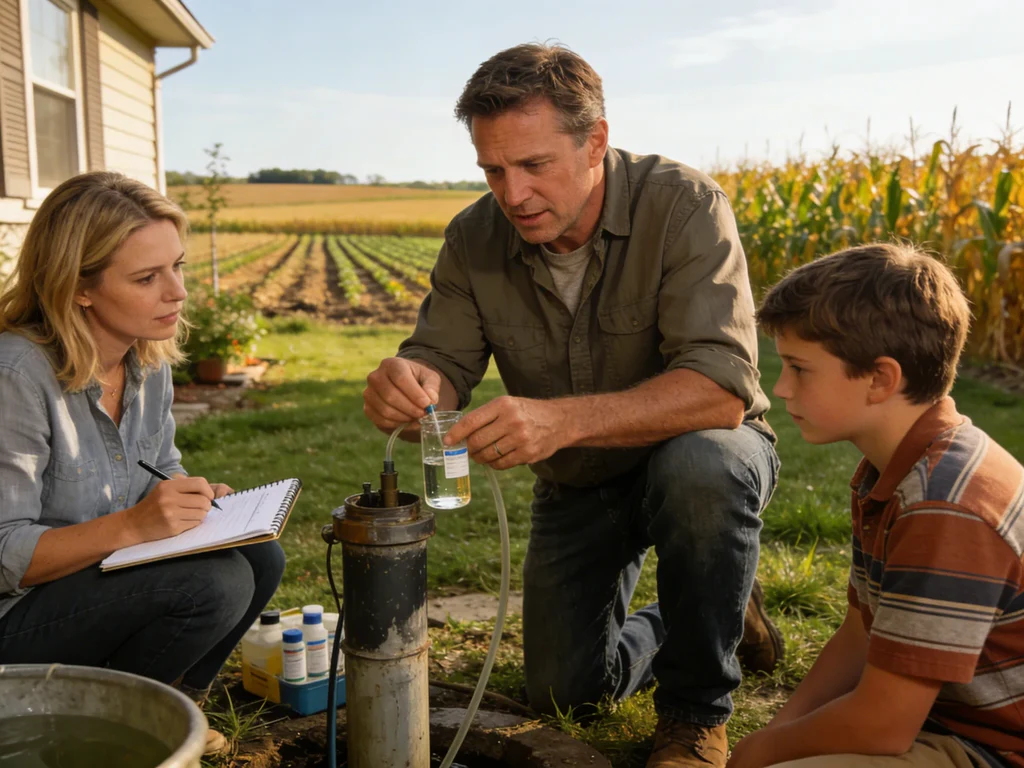
Understanding Nitrates in Drinking Water: A Guide for Rural Families
Nitrates from agriculture and septic systems can contaminate well water. Find out why they're dangerous for infants, how to test, and the best treatment options.
 Well Water
CIWQE Health Team·Mar 8, 2026
Radon in Well Water: The Invisible Risk in Canadian Homes
Radon is well known as a soil gas risk, but it can also dissolve into groundwater. For well users in granite-rich regions, radon in water can be an overlooked source of indoor air exposure.
 Health
CIWQE Research Team·Mar 3, 2026
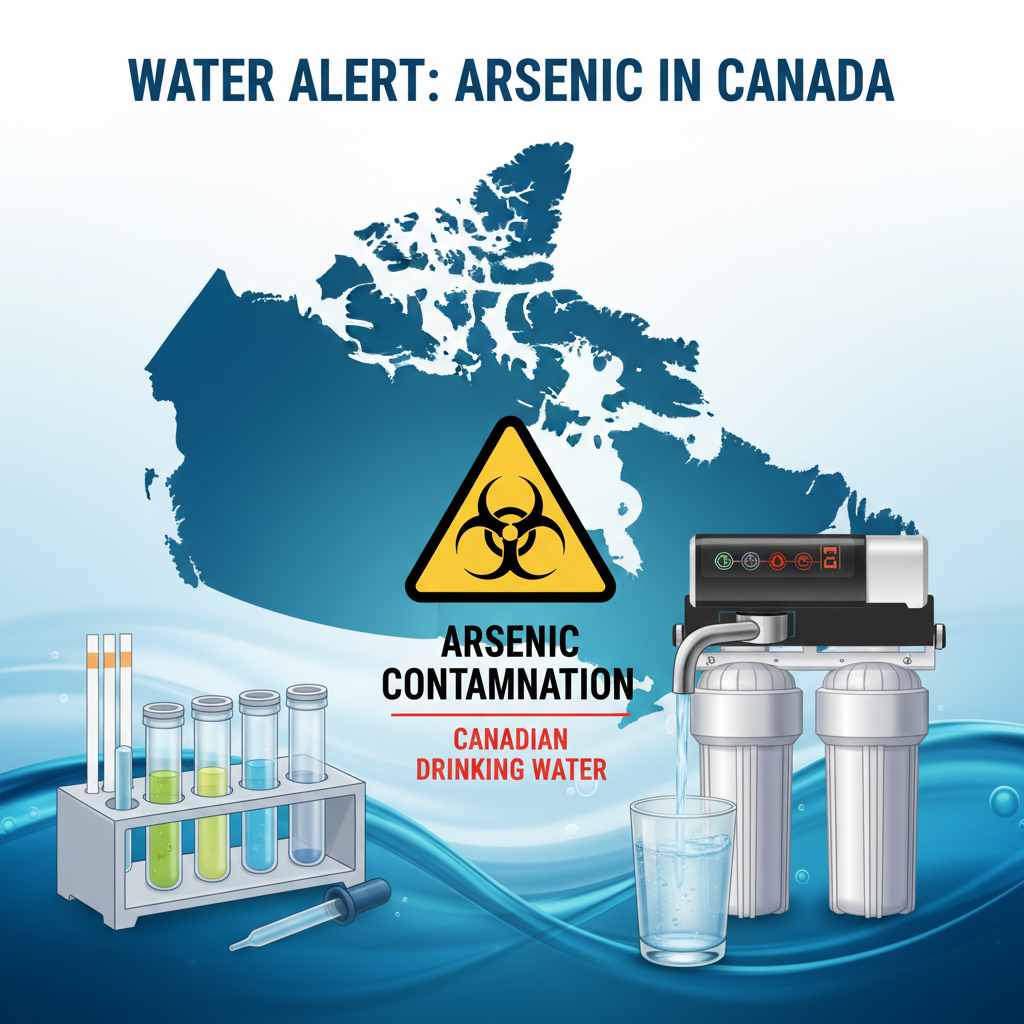
Arsenic in Canadian Drinking Water: Risks, Sources, and Solutions
Arsenic occurs naturally in Canadian groundwater, particularly in Nova Scotia, New Brunswick, and parts of Ontario. Learn about the health risks, how to test, and effective removal methods.
 PFAS
CIWQE Research Team·Feb 28, 2026
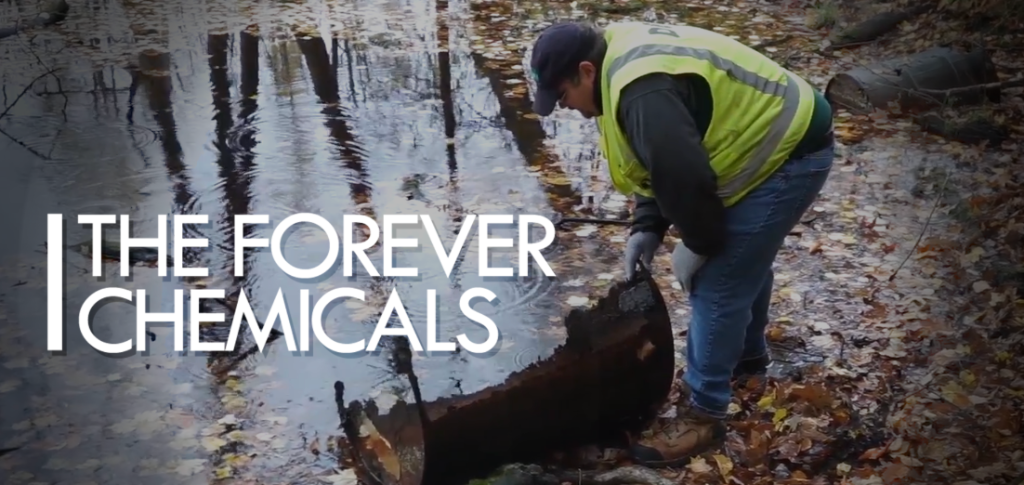
Forever Chemicals: A Deep Dive into PFAS Contamination Across Canada
PFAS have been detected in water sources near military bases, industrial sites, and airports across Canada. This comprehensive guide covers the science, the geography, and what's being done.
 Drinking Water
CIWQE Science Division·Feb 18, 2026
Chlorine in Tap Water: Safe Disinfectant or Health Concern?
Chlorination has saved countless lives by eliminating waterborne diseases. But what are disinfection byproducts, and should you be filtering your tap water?
 Municipal Water
CIWQE Education Team·Feb 10, 2026
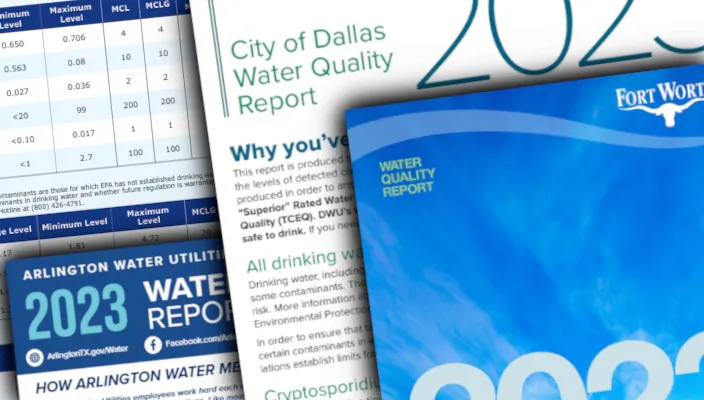
How to Read Your Municipal Water Quality Report
Every Canadian municipality publishes an annual water quality report. Here's how to understand the numbers, what the guidelines mean, and what to look for.
 Well Water
CIWQE Rural Water Program·Feb 5, 2026
Private Wells in Canada: A Complete Guide to Safe Water
Over 3 million Canadian households rely on private wells. Unlike municipal water, well water is your responsibility. Here's everything you need to know to keep it safe.
 Drinking Water
CIWQE Education Team·Jan 22, 2026
Hard Water vs. Soft Water: What's the Difference and Does It Matter?
Hard water affects millions of Canadian households. Discover what causes it, its effects on health and appliances, and the pros and cons of water softening systems.
 Well Water
CIWQE Research Team·Jan 18, 2026
Private Well Water Testing: A Complete Canadian Guide
Over 3 million Canadian households rely on private wells for drinking water. Unlike municipal systems, well water is the homeowner's responsibility to test and maintain.
 Sustainability
Dr. James Whitmore, Hydrologist·Jan 15, 2026
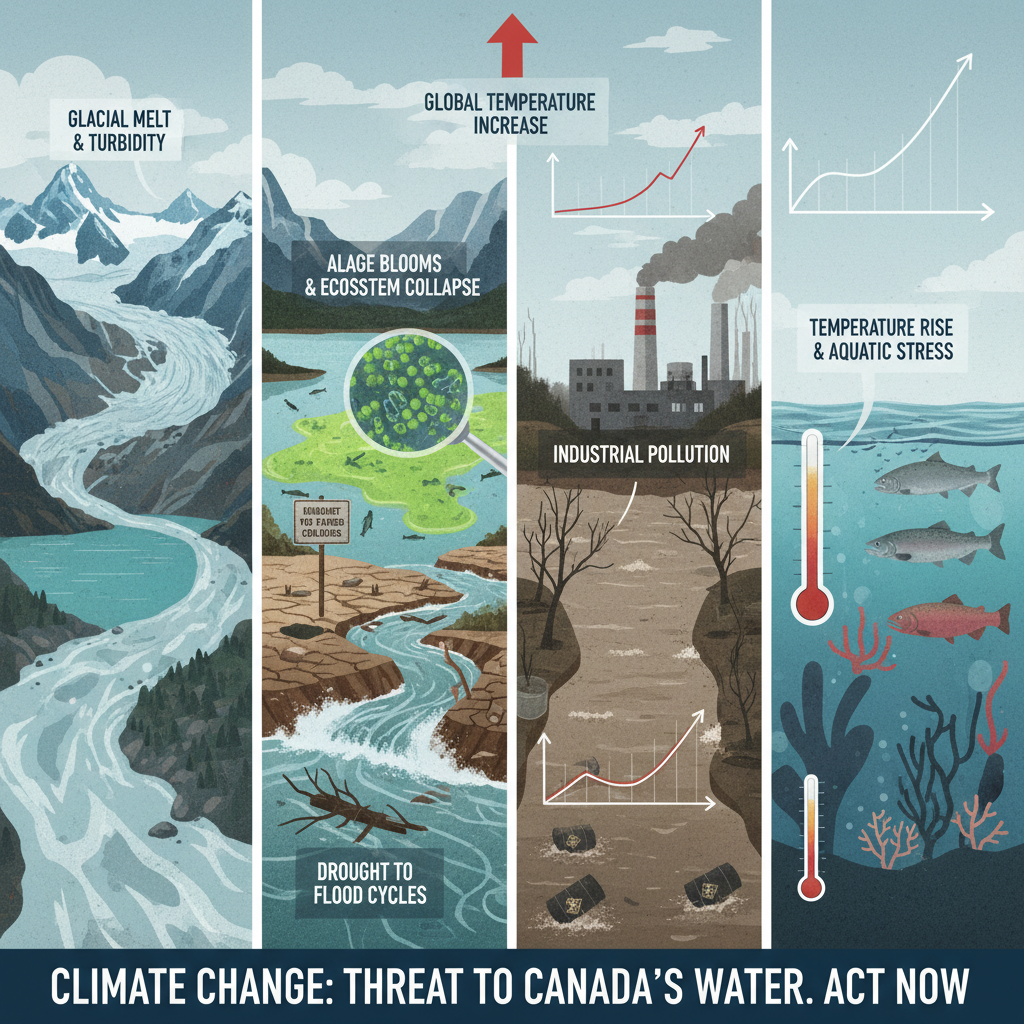
Climate Change and Canadian Water Quality: The Emerging Threat
Warmer temperatures, extreme weather events, and shifting precipitation patterns are transforming Canada's water landscape. Here's how climate change threatens drinking water quality across the country.
 Filtration
CIWQE Education Team·Dec 5, 2025
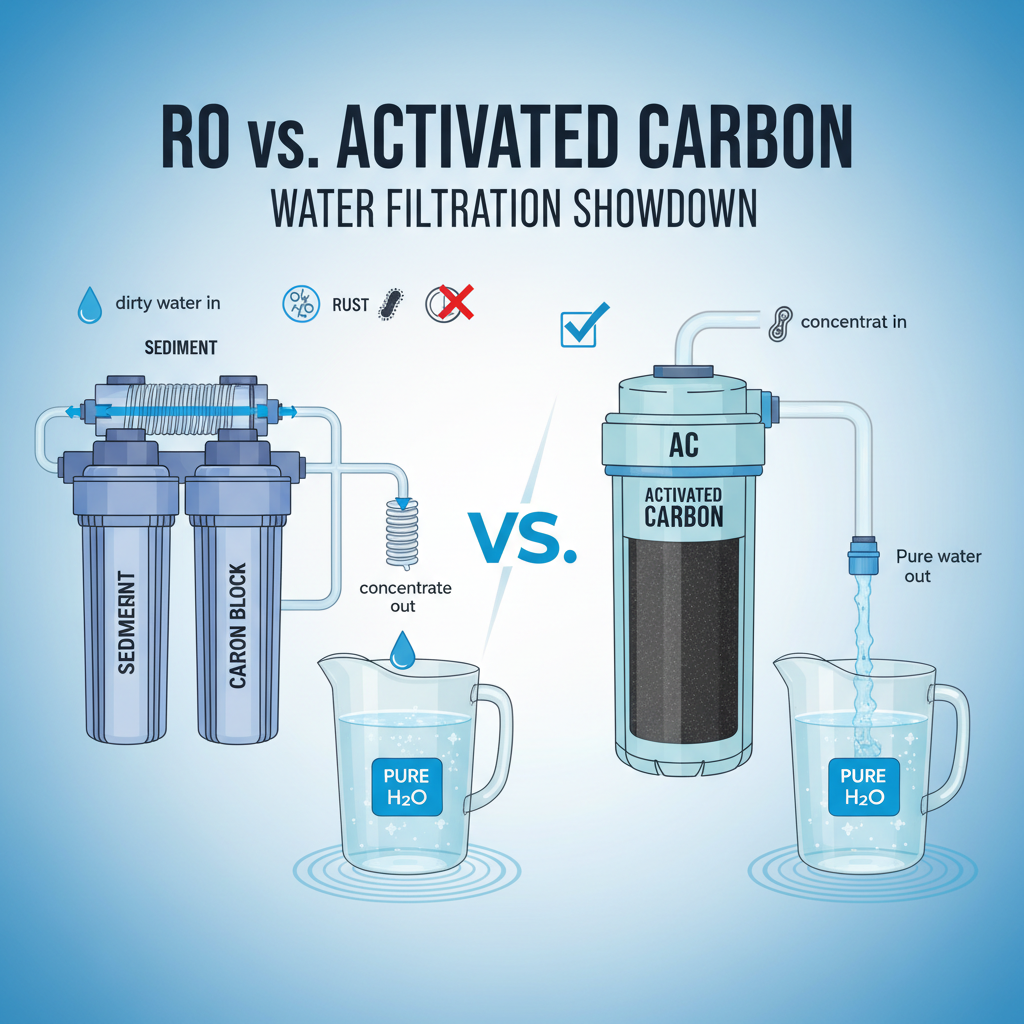
Reverse Osmosis vs. Activated Carbon: Which Filter Do You Need?
Two of the most popular home water filtration systems serve very different purposes. Learn which one — or which combination — is right for your specific water quality concerns.
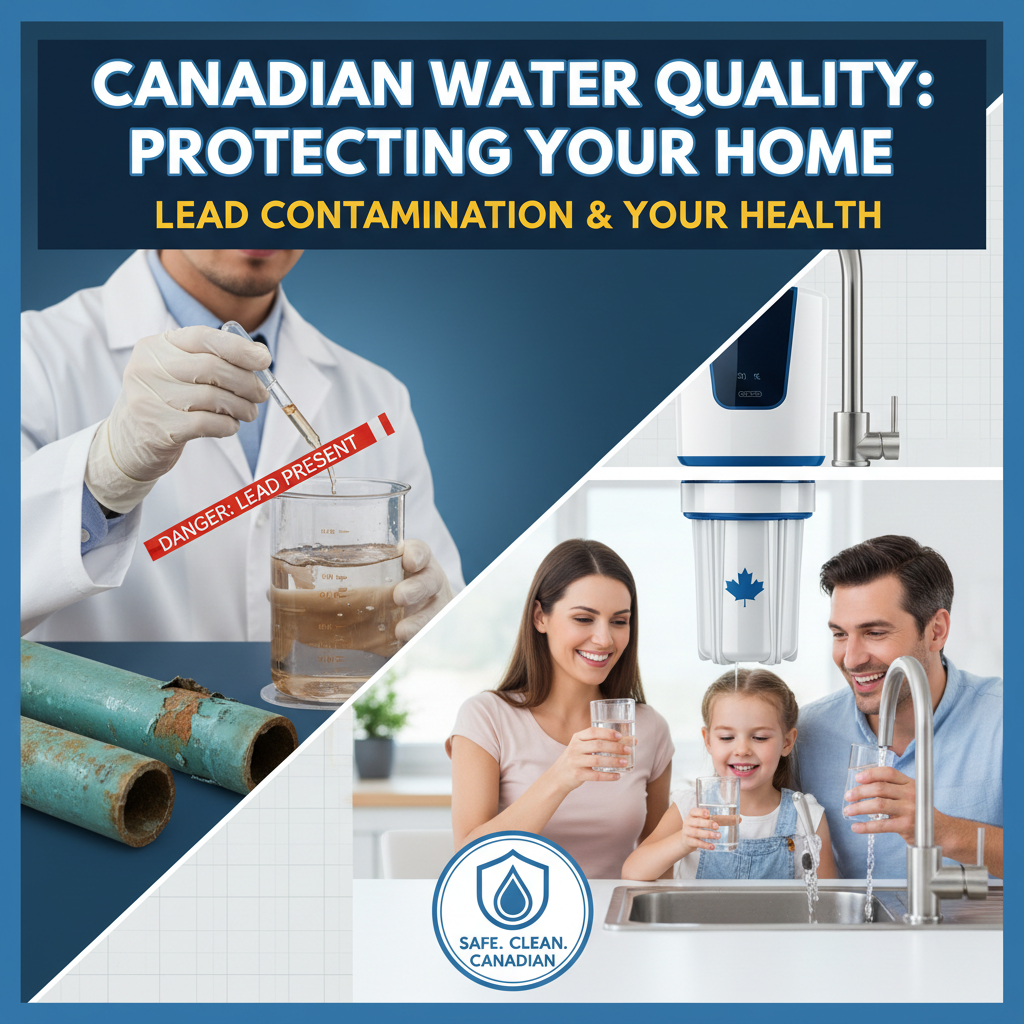 Health
CIWQE Research Team·Nov 12, 2025
Lead in Drinking Water: What Canadian Homeowners Need to Know
There is no safe level of lead exposure in children. Learn how lead enters Canadian tap water, which homes are at highest risk, and what immediate steps to take.