CIWQE Certification &
Testing Standards
Educating consumers through independent evaluation, performance testing, and transparent water quality standards — so every Canadian can make informed decisions.
What Does It Mean to Be CIWQE Certified?
CIWQE Certification is an independent educational designation awarded to water treatment systems and products that have been evaluated against performance benchmarks aligned with Health Canada guidelines and recognized international standards.
It is not a government endorsement — it is a consumer education tool designed to help Canadians distinguish between verified performance claims and unsubstantiated marketing language.
Our evaluation process is transparent, science-based, and publicly documented so that consumers can verify exactly what was tested, how it was tested, and what results were achieved.
Verified Contaminant Reduction
Claims are tested against documented benchmarks using controlled laboratory environments aligned with Canadian water quality guidelines.
Performance Consistency
Systems are evaluated across multiple testing cycles to ensure consistent, repeatable results — not just a one-time pass.
Materials & Safety Review
All physical components are assessed for material safety, leaching risks, and durability under extended use conditions.
Educational Compliance
Certified systems must provide transparent documentation and consumer-accessible performance data.
Ongoing Review Requirements
Certification is not permanent. Systems undergo periodic re-evaluation to confirm continued performance standards.
How CIWQE Evaluates Water Treatment Systems
Our multi-stage evaluation process ensures every certified product has been rigorously reviewed, independently tested, and transparently documented.
Product Submission
Manufacturers submit product documentation, specifications, performance claims, and material safety data for initial intake review.
Documentation Review
Our technical team reviews all submitted materials against Canadian water quality standards, NSF/ANSI frameworks, and Health Canada guidelines.
Laboratory Testing
Products are sent to accredited Canadian laboratories where controlled testing is conducted under standardized protocols for contaminant reduction and performance.
Performance Verification
Documented test results are reviewed against submitted claims. Discrepancies between marketing language and actual test performance are flagged.
Standards Comparison
Performance data is benchmarked against Health Canada's Guidelines for Canadian Drinking Water Quality and internationally recognized standards.
Educational Review
Our educators assess whether product documentation is consumer-accessible, transparent, and free from misleading claims or unclear technical language.
Certification Approval
Products meeting all criteria receive CIWQE Certification with public documentation outlining what was tested, the methodology used, and results achieved.
Ongoing Compliance Monitoring
Certified products are subject to periodic re-evaluation. Changes to formulation, materials, or claims trigger a mandatory re-review process.
Performance & Educational Standards
Every CIWQE-evaluated system is assessed against the following performance categories. Click any category to view detailed technical criteria.
Contaminants & Performance Testing
Select any contaminant to learn about health concerns, testing protocols, and Canadian guideline references.
Lead
Lead exposure has no safe threshold, particularly for infants and children. It impairs neurological development and can cause kidney damage in adults.
Old plumbing systems, lead-based solder, and service lines can leach lead into tap water, even from otherwise clean municipal sources.
Health Canada MAC: 0.005 mg/L (5 µg/L). NSF/ANSI 53 certification requires ≥99% reduction.
Challenge water is prepared at 0.15 mg/L (30× MAC). Effluent is analyzed using ICP-MS at an accredited lab across full filter lifespan.
Understanding Certification Levels
CIWQE certification categories are structured to help consumers quickly understand what a product has been evaluated for and to what performance depth.
CIWQE Certified
Awarded to water treatment systems that meet baseline performance standards across core contaminant categories, material safety, and consumer transparency requirements.
Advanced Reduction Certified
For systems demonstrating high-performance reduction across an expanded contaminant profile, including emerging contaminants and trace inorganics.
PFAS Reduction Verified
Specifically awarded to systems that demonstrate documented, measurable reduction of per- and polyfluoroalkyl substances in compliance with updated Health Canada provisional guidance.
Whole Home Performance Certified
For point-of-entry systems treating all water entering a home, verified for sediment, chlorine, VOC reduction, and structural integrity under full-home flow conditions.
Drinking Water Purification Certified
The highest tier, reserved for comprehensive multi-stage systems demonstrating purification-level performance including microbial reduction, TDS reduction, and full contaminant panel verification.
Sustainability Recognition
An educational recognition for systems demonstrating reduced environmental impact, responsible water efficiency, and extended-life design that minimizes filter waste.
Why Certifications Matter
Canada's water treatment market is largely self-regulated. Understanding the difference between unverified claims and documented testing is essential for making informed purchasing decisions.
"Removes 99% of contaminants"
No third-party verification. No documented methodology.
"Advanced filtration technology"
No third-party verification. No documented methodology.
"Pharmaceutical-grade water purification"
No third-party verification. No documented methodology.
Reduction of 12 specific contaminants documented via ICP-MS and GC-MS lab analysis. Average reduction: 97.3% across test panel.
Accredited lab report — publicly available.
5-stage reverse osmosis with remineralization. Flow rate: 11.4 L/hr. Rated capacity: 1,893 L. Lifespan tested to rated capacity.
Accredited lab report — publicly available.
No such standard exists for residential systems. NSF/ANSI 58 RO certification and TDS reduction to ≤5 ppm documented and verified.
Accredited lab report — publicly available.
Example comparisons for educational illustration purposes only.
Marketing Claims vs Verified Testing
Without certification, consumers have no way to verify whether performance claims are based on independent testing or internal company data. CIWQE evaluation separates documented science from marketing language.
Transparency of Reporting
Certified products must make their test methodology, challenge concentrations, and result data publicly accessible. Consumers can review exactly how a product was tested and what results were achieved.
Understanding Third-Party Evaluation
Third-party evaluation means neither the manufacturer nor the seller conducted the testing. Independent labs with no financial interest in the outcome perform the analysis and report results directly.
Water Quality Confidence
When a product carries verified certification, consumers can have confidence that stated performance has been replicated under controlled, documented conditions — not just manufacturer self-reporting.
Long-Term Product Performance
Certifications require lifespan testing, not just initial-pass testing. A product that performs well on day one but degrades rapidly does not meet CIWQE standards for ongoing performance verification.
Laboratory & Research Standards
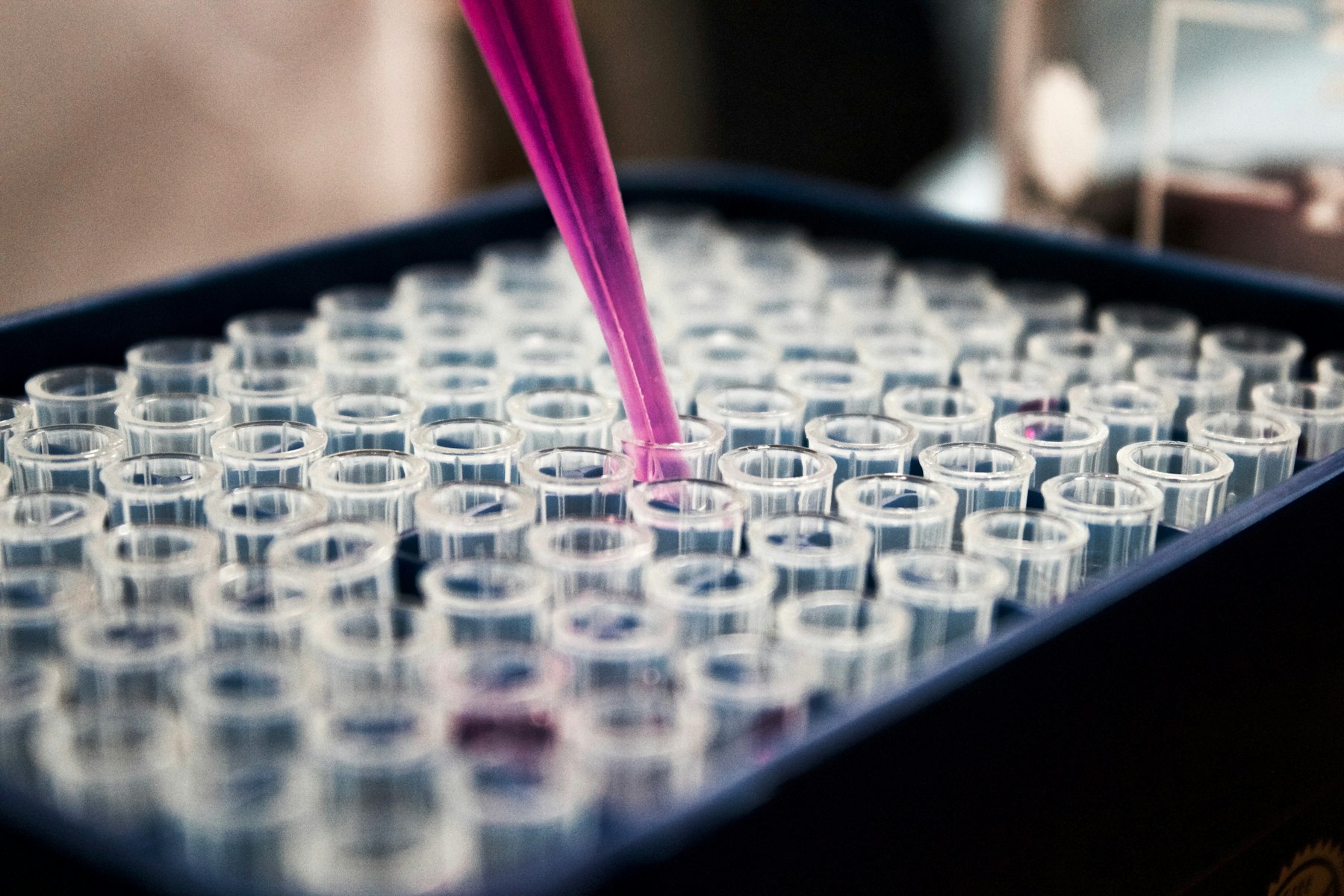
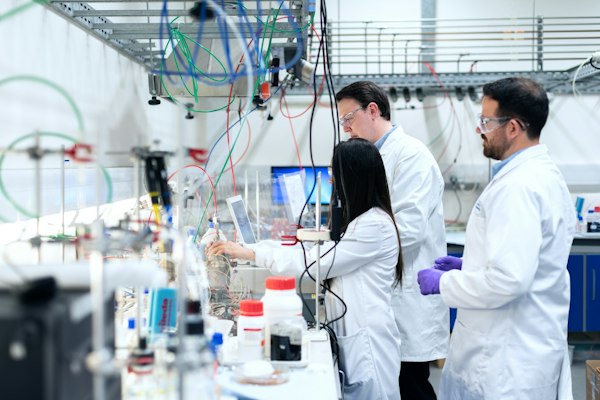
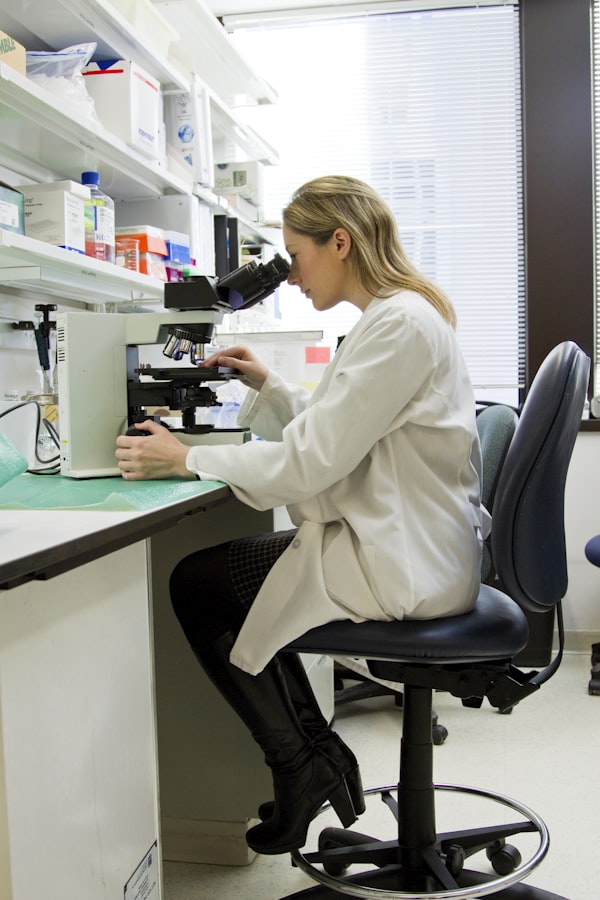
CIWQE evaluation partners with CALA-accredited Canadian laboratories. Every test follows documented scientific protocols with full data transparency.
Controlled Testing Environments
All testing is conducted in temperature- and pressure-controlled laboratory environments using calibrated equipment operated by certified analysts.
Repeatability
Tests are conducted in triplicate at minimum. Results must fall within acceptable variance ranges to confirm consistent, reproducible performance.
Data Transparency
Raw data, methodology, challenge concentrations, and effluent results are documented in full and made available in publicly accessible performance reports.
Scientific Methodology
All protocols align with NSF/ANSI International standards, EPA testing methods, and Health Canada's Guidelines for Canadian Drinking Water Quality.
CALA
Accreditation Standard
3×
Minimum Test Replication
NSF/ANSI
Protocol Alignment
100%
Publicly Documented Results
Frequently Asked Questions
Answers to the most common questions about CIWQE certification, testing methodology, and what certification means for consumers.
Learn More About Water Quality Standards
Continue your water quality education with our consumer guides, testing resources, and research library.