What Is Reverse Osmosis?
Reverse osmosis (RO) is a water purification process that uses pressure to force water through a semi-permeable membrane with pores small enough to block dissolved salts, heavy metals, and most contaminants — while allowing water molecules to pass through.
How a Typical Under-Sink RO System Works
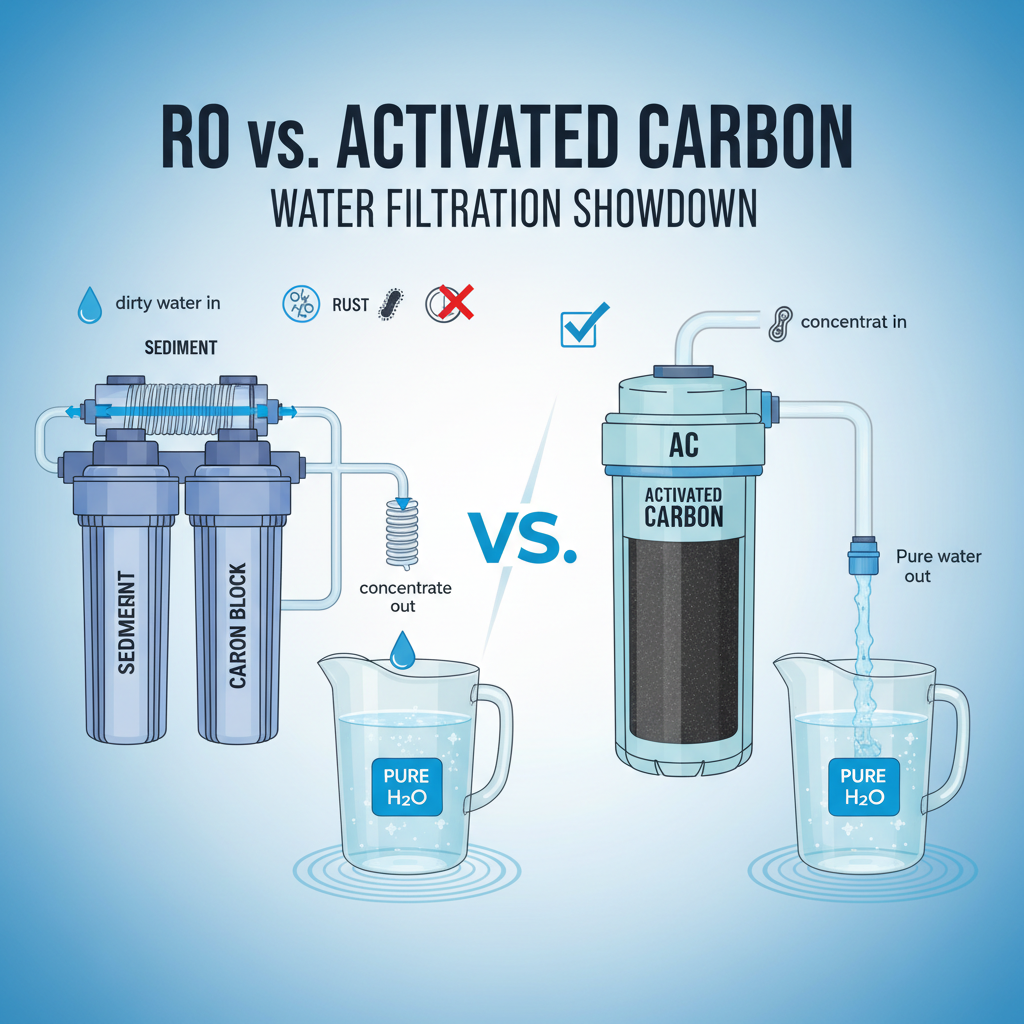
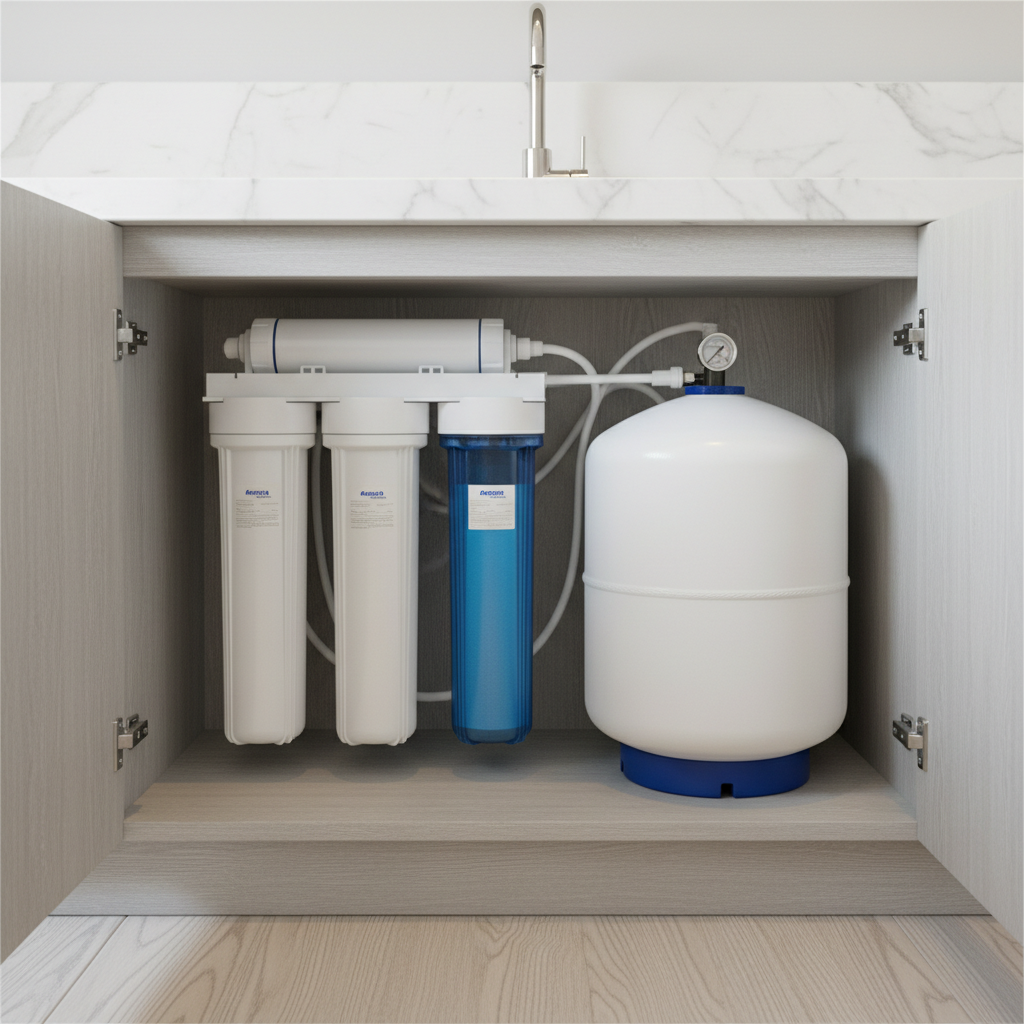
- Pre-filter (sediment): Removes large particles, dirt, and rust
- Pre-filter (carbon): Removes chlorine that could damage the membrane
- RO membrane: The core filtration step — removes 90–99% of dissolved contaminants
- Post-filter (carbon polish): Final taste and odour improvement
- Storage tank: Holds filtered water until needed
Waste water ratio: Typically 3–4 litres of water are drained for every 1 litre of purified water produced.
What RO Removes
| Contaminant | Typical Removal Rate | |---|---| | Lead | 95–99% | | Arsenic | 90–99% | | Nitrates | 85–95% | | Fluoride | 85–92% | | PFAS | 90–95% | | Chlorine & DBPs | >95% | | Total Dissolved Solids | 90–97% |
What RO Does NOT Remove
- Some pesticides and VOCs (require additional carbon filtration)
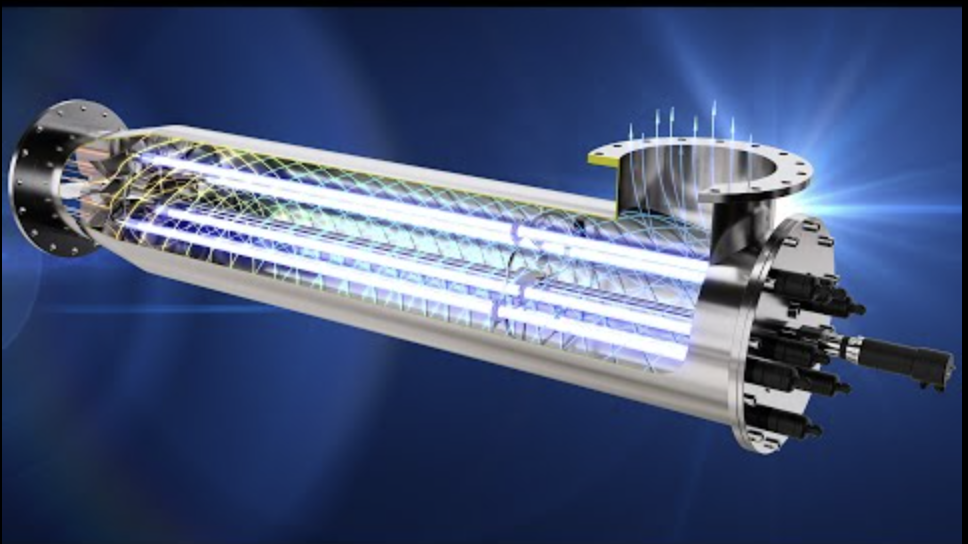
- Bacteria and viruses (membrane can degrade; a UV stage is recommended if microbiological contamination is a concern)
- Radon gas
Considerations
- Mineral removal: RO also removes beneficial minerals like calcium and magnesium. Remineralization filters are available if desired.
- Filter maintenance: Membranes typically last 2–5 years; pre-filters every 6–12 months
- NSF certification: Look for NSF/ANSI Standard 58 certification
- Water waste: A concern in water-scarce areas; high-efficiency models are available
Educational Content Notice
This article is provided for general educational purposes only. The Canadian Institute for Water Quality Education does not endorse specific commercial products or services. Always consult a certified water professional for advice specific to your situation.