Harnessing Light to Purify Water
Ultraviolet (UV) water purification uses UV-C light (wavelength 254 nm) to damage the DNA and RNA of microorganisms, rendering them unable to reproduce and causing cell death. It's chemical-free, fast, and highly effective against a broad spectrum of pathogens.
What UV Destroys
| Pathogen | UV Effectiveness | |---|---| | E. coli and coliform bacteria | Excellent (>99.99%) | | Giardia | Excellent (>99.9%) | | Cryptosporidium | Excellent (>99.9%) | | Hepatitis A virus | Very good | | Legionella | Excellent |
Not all chlorine-based treatments are effective against Cryptosporidium — UV is often the preferred solution for private well owners concerned about protozoa.
How a UV System Works
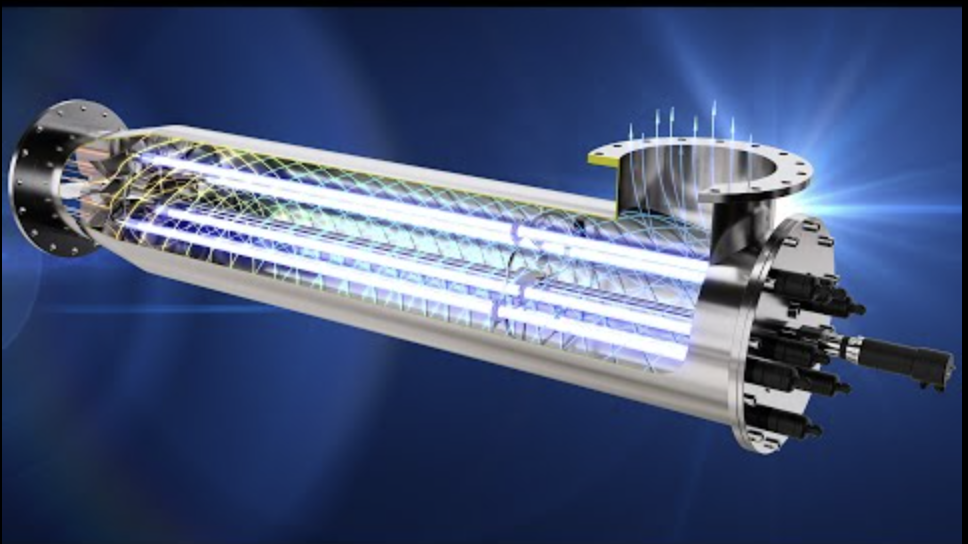
- Water flows through a stainless steel chamber
- A UV lamp enclosed in a quartz sleeve emits UV-C radiation
- Microorganisms are exposed to UV light as water passes by
- Treated water exits to your taps — no holding time required
Important Limitations
- UV does not remove chemicals, heavy metals, or dissolved contaminants
- Turbidity matters: Cloudy water shields microorganisms from UV. A sediment pre-filter is essential.
- No residual disinfection: Unlike chlorine, UV provides no ongoing protection in pipes
Maintenance Requirements
- Annual lamp replacement (even if still glowing — UV output degrades with age)
- Quartz sleeve cleaning to prevent mineral buildup
- Pre-filtration to maintain water clarity below 1 NTU
UV systems are an excellent choice for private well users, especially when combined with sediment and carbon filtration for comprehensive water treatment.
Educational Content Notice
This article is provided for general educational purposes only. The Canadian Institute for Water Quality Education does not endorse specific commercial products or services. Always consult a certified water professional for advice specific to your situation.