
The Golden Rule: Test First, Filter Second
The single most important step before buying a water filter is to know what's in your water. Different filter technologies address different contaminants — a filter that removes lead does not remove bacteria, and vice versa. Investing in testing before purchasing a filter saves money and ensures you address your actual risks.
Filter Types: A Quick Reference
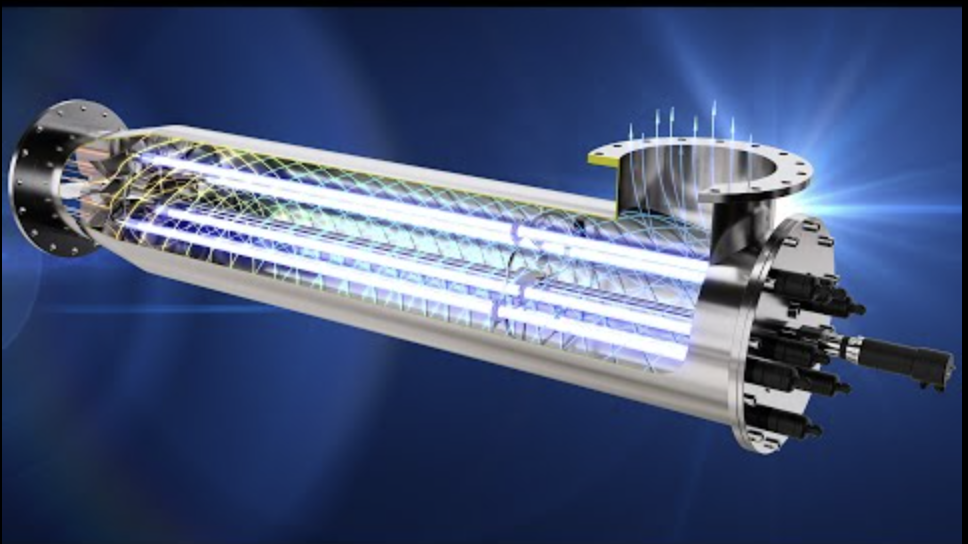
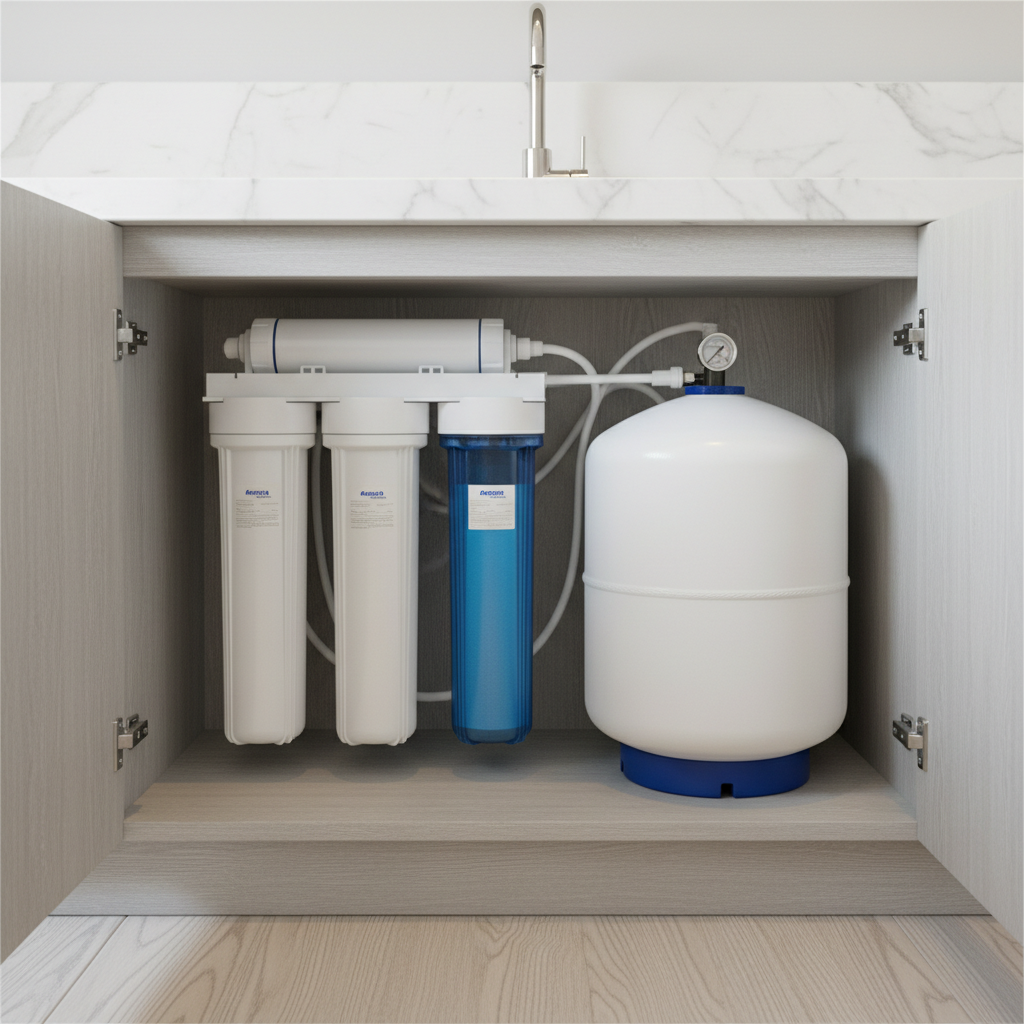
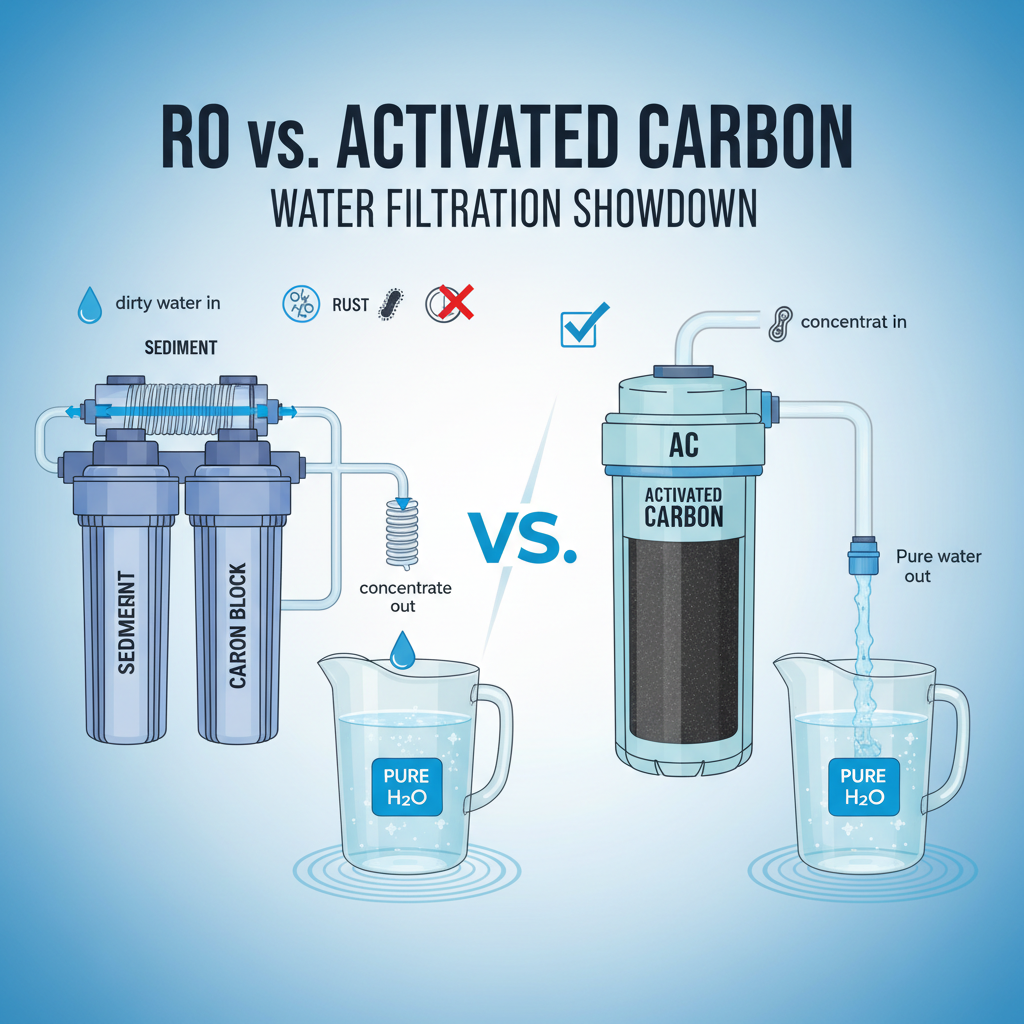
| Filter Type | Best For | What It Removes | |---|---|---| | Activated Carbon (pitcher/faucet) | Taste, odour, chlorine, some VOCs | Chlorine, some pesticides, some heavy metals | | Solid Block Carbon | Broader chemical removal | Lead, cysts, many VOCs, chlorine | | Reverse Osmosis (under-sink) | Comprehensive contaminant removal | Lead, arsenic, nitrates, fluoride, PFAS, TDS | | UV System | Microbiological safety | Bacteria, viruses, protozoa | | Water Softener (ion exchange) | Hard water | Calcium, magnesium hardness | | Whole-Home (POE) | All water in the home | Depends on media type |
Understanding NSF/ANSI Certifications
Always look for NSF International certified filters — this means the product has been independently tested and verified:
- NSF/ANSI 42: Aesthetic effects (taste, odour, chlorine)
- NSF/ANSI 53: Health effects (lead, cysts, some VOCs)
- NSF/ANSI 58: Reverse osmosis (TDS, arsenic, nitrates, PFAS)
- NSF/ANSI 55: UV systems (bacteria, viruses)
- NSF/ANSI 44: Water softeners
Matching Filter to Concern
- I have municipal water and just want better taste: Pitcher or faucet carbon filter (NSF/ANSI 42)
- My municipal water has high lead: Solid carbon block or RO system (NSF/ANSI 53)
- I'm on a well and worried about bacteria: UV system + sediment pre-filter
- PFAS is a concern: Reverse osmosis or activated alumina (NSF/ANSI 58)
- I want comprehensive protection: Under-sink RO + UV (for well users)
Ongoing Costs to Consider
- Filter replacement: Follow manufacturer schedules strictly — an overdue filter can leach contaminants
- Water waste: RO systems produce 3–4x their output as reject water
- UV lamp replacement: Annual cost of $50–$100
- Professional installation: Some systems require plumbing modifications
Educational Content Notice
This article is provided for general educational purposes only. The Canadian Institute for Water Quality Education does not endorse specific commercial products or services. Always consult a certified water professional for advice specific to your situation.