A Crisis That Has Lasted Decades
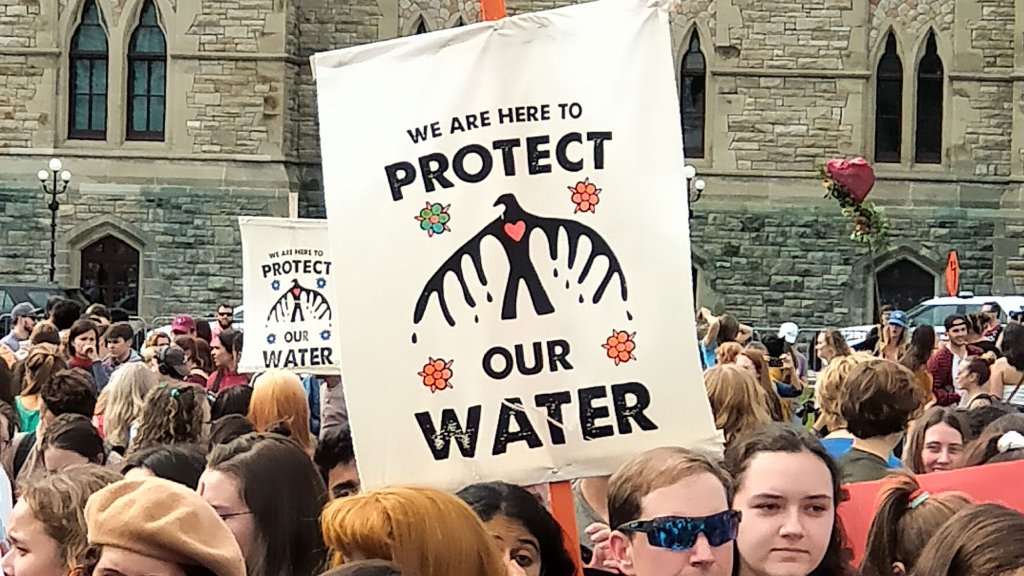
For much of the past two decades, hundreds of First Nations communities across Canada have been under long-term drinking water advisories (LTDWAs) — meaning their tap water has been unsafe to drink for extended periods, sometimes for over 20 years.
In 2015, the federal government committed to ending all long-term advisories on reserve. While significant progress has been made, the issue persists in many communities, highlighting deep systemic inequities in Canada's water infrastructure.
Why Advisories Occur: Root Causes
Infrastructure Gaps
- Aging or inadequate water treatment plants
- Lack of distribution system maintenance
- Under-investment compared to off-reserve communities
Capacity and Governance Challenges
- Shortage of trained operators on remote reserves
- Fragmented regulatory oversight
- Limited local revenue to fund maintenance
Environmental Factors
- Many reserves are in areas with challenging source water (high organics, turbidity)
- Climate change increasing flooding and source water contamination events
The Legislative Context
The Safe Drinking Water for First Nations Act (2013) was intended to address gaps but was criticized as inadequate. It was repealed and replaced by Bill C-61 (2024), which aims to establish a rights-based framework for safe drinking water.
What Is Being Done
- Over $5.6 billion committed by the federal government since 2016 for water and wastewater infrastructure
- 143 LTDWAs lifted since November 2015 (as of early 2026)
- Investment in Indigenous-led water governance and operator training programs
The Path Forward
Sustainable solutions require Indigenous-led planning, long-term funding commitments, and recognition of water as a fundamental right — not a privilege. Progress has been made, but the work is far from complete.
Educational Content Notice
This article is provided for general educational purposes only. The Canadian Institute for Water Quality Education does not endorse specific commercial products or services. Always consult a certified water professional for advice specific to your situation.