What Are PFAS?
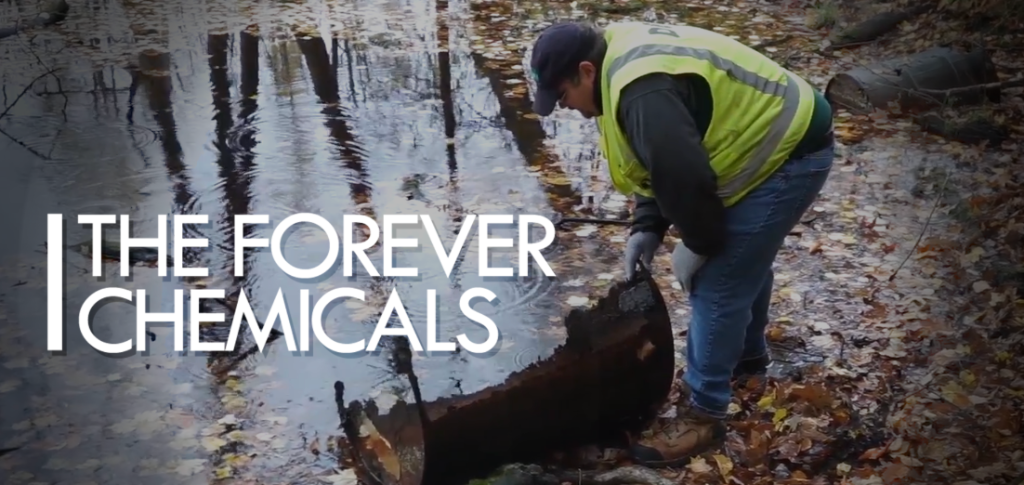
Per- and polyfluoroalkyl substances (PFAS) are a large group of synthetic chemicals that have been manufactured and used in a variety of industries since the 1940s. They are sometimes called "forever chemicals" because they do not break down easily in the environment or the human body.
Why Are They a Concern in Canada?
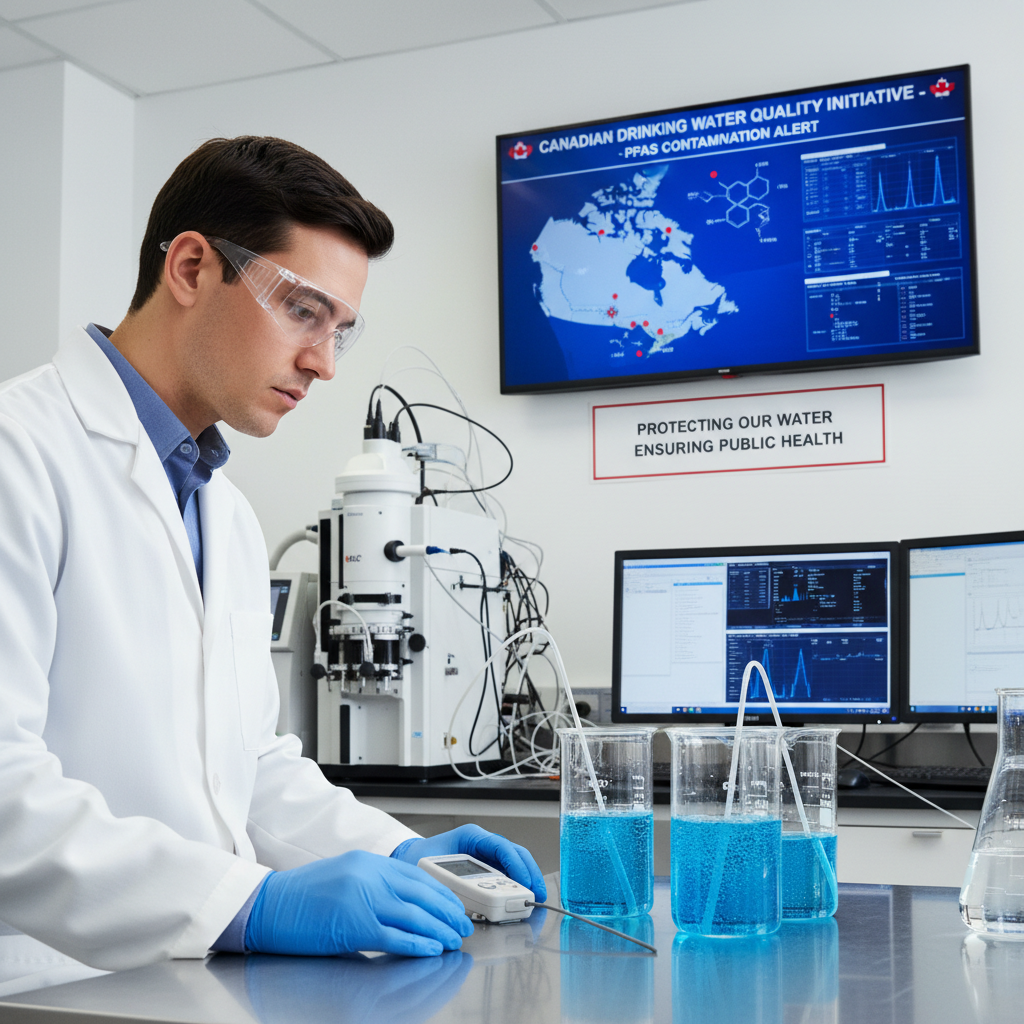
PFAS contamination has been detected in drinking water sources across several Canadian provinces, particularly near industrial sites, military bases, and airports where AFFF (aqueous film-forming foam) fire suppressants were used.
Health Canada Guidelines
Health Canada has established a maximum acceptable concentration (MAC) of 200 ng/L for the sum of PFOA and PFOS in drinking water. Ongoing scientific review continues as new data emerges.
How to Protect Yourself
- Get your water tested by a certified laboratory (see our Lab Directory).
- Use a certified filter: NSF/ANSI 58 (Reverse Osmosis) or NSF/ANSI 53 (Activated Carbon Block) certified filters are effective against PFAS.
- Stay informed: Follow updates from Health Canada and your provincial government.
Key Takeaways
PFAS are a legitimate concern for Canadians, but with proper testing and the right filtration technology, exposure can be significantly reduced. Always consult a certified water professional if you are concerned about your water quality.
Educational Content Notice
This article is provided for general educational purposes only. The Canadian Institute for Water Quality Education does not endorse specific commercial products or services. Always consult a certified water professional for advice specific to your situation.